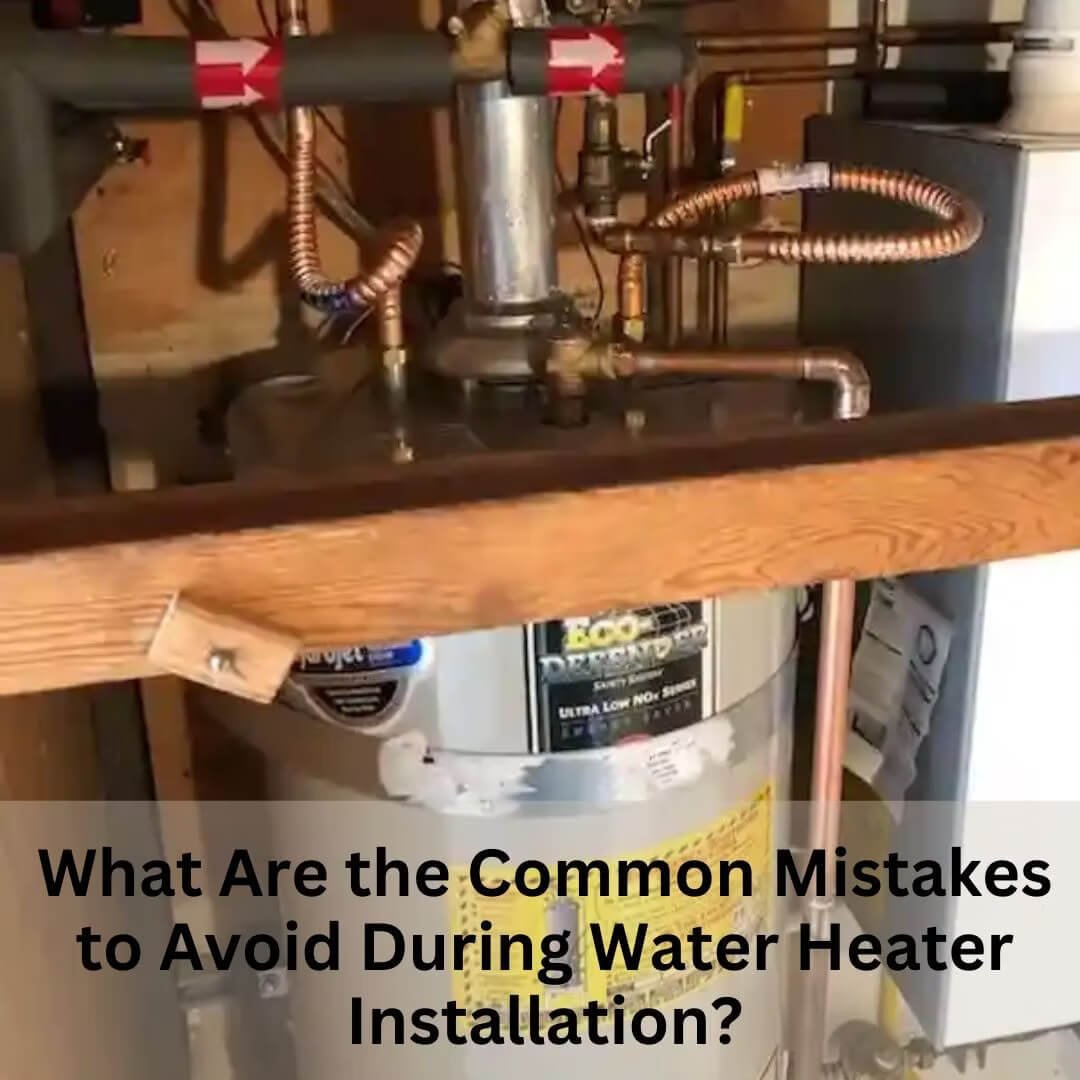
Navigating Hot Water Heater Installation Costs: Pitfalls and Prudence
Few expenses are as frequently underestimated as the true cost of hot water heater installation. While initial unit prices and basic labor quotes seem straightforward, a superficial approach to budgeting often leads to significant financial repercussions. This analysis highlights common mistakes and strategic oversights that inflate project costs, offering a robust framework for accurate financial planning.
The Peril of Initial Cost Myopia
The primary error in estimating hot water heater costs is an exclusive focus on the appliance’s initial price and the lowest labor bid. This tunnel vision invariably leads to significant financial surprises. Competitive unit prices often exclude essential, code-required upgrades—like seismic strapping, expansion tanks, or major plumbing/electrical modifications—especially in older properties. These mandatory auxiliary components are rarely included in basic estimates, creating immediate budget deficits. Furthermore, neglecting energy efficiency for upfront savings is a critical oversight. A cheaper, less efficient model incurs significantly higher utility costs over its lifespan, eroding any initial savings and driving up the Total Cost of Ownership (TCO).
Embracing Total Cost of Ownership (TCO): A Strategic Imperative
In stark contrast to initial cost myopia, a Total Cost of Ownership (TCO) approach offers a comprehensive, financially sound methodology. TCO encompasses every financial implication from acquisition through disposal: unit price, professional labor, mandatory permitting/inspection fees, auxiliary materials (e.g., piping, valves, venting), and old unit disposal. Critically, TCO rigorously factors in projected energy consumption over the unit’s lifespan. High-efficiency units, despite higher initial capital, often prove more economically advantageous due to substantial energy savings over a decade. TCO enables data-driven decisions, optimizing short-term budgets and long-term operational efficiency, mitigating future financial strain.
The False Economy of DIY Installations
The perceived savings of a do-it-yourself (DIY) hot water heater installation often represent a false economy, introducing significant hidden risks and liabilities. Homeowners frequently underestimate the intricacies of proper sizing, plumbing, venting, and electrical connections, leading to insufficient hot water or wasteful energy consumption. Crucially, DIY projects often fail to meet local building codes, risking improper venting (carbon monoxide) or faulty pressure relief valve installations (explosion hazard). Failure to secure necessary permits results in costly fines, mandatory professional remediation, or legal complications during resale. Immediate DIY savings are typically eclipsed by expenses correcting errors, repairing property damage, or mitigating safety incidents that professional expertise prevents. Licensed professionals guarantee code compliance, safe operation, and warranty validation.

Overlooking Critical Ancillary Expenses
A common mistake in many underestimated installation budgets is overlooking critical ancillary expenses. These, though individually minor, aggregate to a substantial portion of the overall project outlay. One frequently ignored cost is local permits and inspections. Most municipalities mandate permits for hot water heater replacement to ensure code compliance; fees can range from $50 to several hundred dollars, and failing to obtain them leads to significant penalties. Another often-missed expense is the disposal fee for the old unit. Furthermore, existing utility connections might require upgrades; a new electric heater could necessitate an electrical panel upgrade or new dedicated circuit. Switching between electric/gas units involves significant plumbing, gas line modifications, and new ventilation. These ‘hidden’ costs, when not proactively identified and budgeted, inevitably cause project delays and cost overruns.
Key Cost Components
- Unit Price: Varies by type, brand, capacity, and energy efficiency.
- Labor: Technician’s rate, job complexity, and location.
- Permits/Inspections: Mandatory fees for safety/code compliance.
- Auxiliary Materials: Piping, valves, expansion tanks, wiring, venting.
- Disposal: Fees for old unit removal/recycling.
- Upgrades: Plumbing/electrical modifications for new unit.
- Safety Devices: Drain pan, other protective installations.
Common Mistakes to Avoid
- Initial Cost Myopia: Ignoring permits, upgrades, long-term efficiency.
- Code Non-Compliance: Risking fines/re-work.
- Improper Sizing: Inadequate hot water or energy waste.
- Unplanned DIY: Without professional assessment.
- Single Quote Acceptance: Not comparing multiple licensed bids.
- Ignoring Efficiency: Prioritizing low upfront cost over operating expenses.
What are the primary cost factors for hot water heater installation?
Key factors: unit price, professional labor, mandatory permits, auxiliary materials (e.g., pipes), and old unit disposal. Infrastructure upgrades also impact final cost.
Is it always cheaper to DIY install a water heater?
No. DIY often incurs hidden costs: specialized tools, overlooked permits, costly corrections for code violations/damage, and lack of warranty. Riskier and often pricier than licensed installation.
How can I ensure I get an accurate installation quote?
Get three itemized bids from licensed, insured contractors. Quotes must specify unit, labor, materials, permits, and disposal. Discuss upgrades during on-site evaluation for true scope. Avoid estimates without breakdowns.
Verdict and Recommendation
For hot water heater installation, adopting a comprehensive Total Cost of Ownership (TCO) approach with professional execution is unequivocally recommended. While minimizing initial outlay or DIY is tempting, financial and operational risks are substantial, leading to greater long-term expenses and safety concerns. Engage licensed, insured professionals for transparent, itemized quotes after on-site assessments. Prioritize energy-efficient models and budget for all ancillary costs, including permits, disposal, and potential system upgrades. This diligent strategy ensures safety, compliance, and the most economically sound, reliable solution.