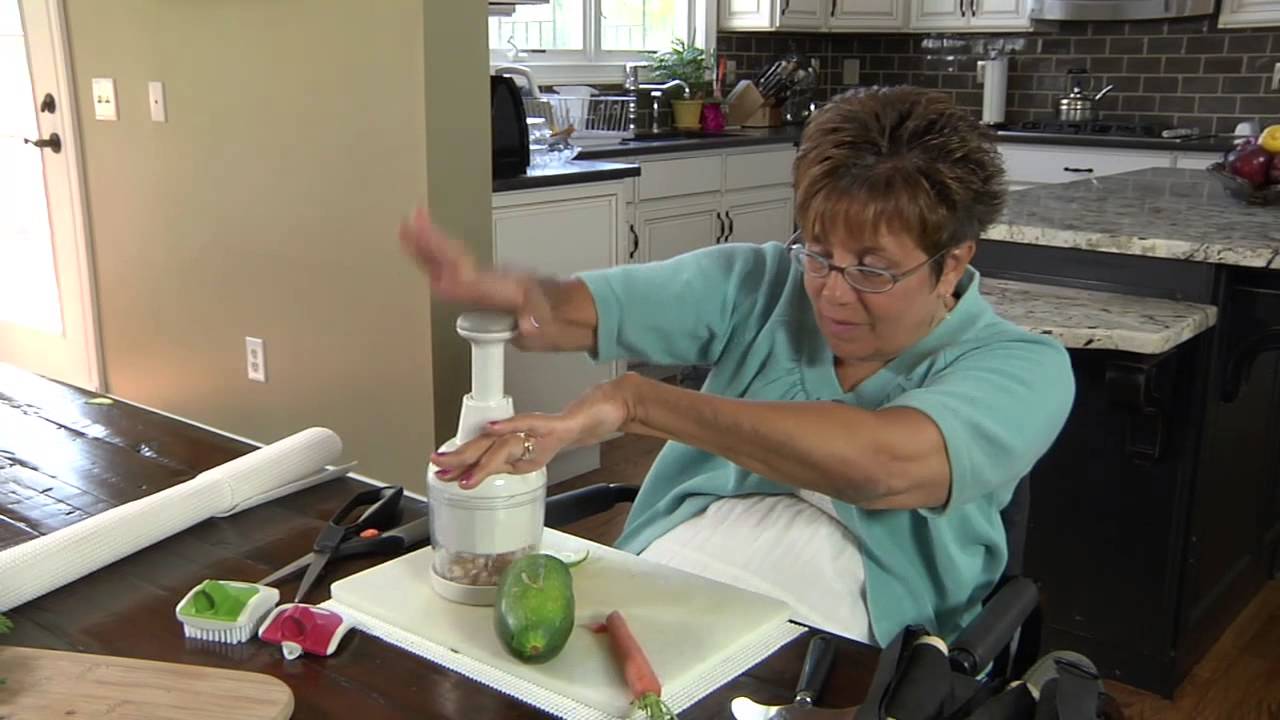
Prepare Garden Vegetables with Adaptive Gadgets
There’s an unparalleled joy in harvesting fresh vegetables from your own garden, but sometimes the preparation can feel like a chore. This guide unveils how adaptive kitchen gadgets can transform your post-harvest experience, making vegetable preparation not just easier, but genuinely enjoyable and accessible for everyone.
Bringing Your Harvest Indoors: Initial Steps
The journey from garden to table begins with proper harvesting and initial handling. Rushing this stage can lead to bruised produce or unnecessary mess, which can be even more challenging to manage later. Taking a few moments to gently gather and give your vegetables their first clean is crucial, setting the stage for smoother preparation.
When harvesting, consider the tool you're using. Ergonomic garden shears with comfortable grips can prevent strain, especially when dealing with tough stems or dense foliage. Collect your bounty in a lightweight, easy-to-carry basket or container to avoid awkward lifting and spills. Once inside, a quick rinse under running water, perhaps using a spray attachment to avoid heavy lifting, removes loose soil and garden debris. Patting them dry gently with a cloth helps prevent mold and keeps your kitchen counters cleaner during subsequent steps.
Key Takeaway: Thoughtful harvesting and initial gentle cleaning are the foundation for effortless preparation.
Essential Adaptive Tools for Vegetable Prep
Adaptive kitchen gadgets are ingeniously designed to enhance safety, reduce physical strain, and boost efficiency, making them invaluable for anyone, regardless of dexterity or strength. These tools aren't just for specific needs; they represent smart design that benefits all users by simplifying common kitchen tasks. They transform daunting chores like peeling, chopping, and slicing into manageable, even enjoyable, activities.

From ergonomic handle designs that fit comfortably in any hand to non-slip bases that keep everything stable, these gadgets focus on reducing the effort required. They range from simple modifications like swivel peelers with thick, soft grips to more advanced electrical aids such as mini food processors that chop ingredients with the press of a button. Identifying which tools address your specific challenges can dramatically improve your kitchen experience, turning potential frustration into genuine satisfaction.
Consider the following categories: **Ergonomic Hand Tools** like peelers, graters, and knives with oversized, non-slip handles for better grip and control; **Stability Aids** such as non-slip cutting boards, specialized clamps for holding vegetables in place, or even bowls with suction cup bases; and **Automated or Lever-Assisted Devices** including vegetable choppers that use a simple press mechanism, or mandolines with built-in safety guards for consistent slicing without direct blade contact.
Key Takeaway: Adaptive tools are game-changers, offering improved safety, comfort, and efficiency for every kitchen task.
Mastering Adaptive Techniques for Efficiency
Once you've gathered your adaptive tools, the next step is to integrate them seamlessly into your preparation routine. The true magic happens when you combine the right tool with a mindful approach, transforming once-arduous tasks into quick, safe, and satisfying parts of your cooking process. These techniques are designed to minimize effort while maximizing yield and consistency.
Let's look at some specific applications:
- Peeling Root Vegetables: Instead of a traditional straight peeler, opt for a swivel peeler with an ergonomic, chunky handle. Hold the vegetable firmly on a non-slip mat. Use long, even strokes away from your body. The swivel head adjusts to the contours of the vegetable, requiring less wrist movement and pressure. For difficult-to-hold items, a vegetable holder with prongs can secure it to the cutting board.
- Chopping Onions and Hard Vegetables: A manual food chopper or a small electric food processor can make quick work of chopping. For manual choppers, simply quarter your onion, place a piece under the blade, and press down on the plunger. The contained design prevents tears and keeps pieces uniform. For larger volumes, an electric mini-prep processor can chop, mince, or puree with minimal effort.
- Slicing Delicate Produce: For tomatoes or soft fruits, use a serrated adaptive knife with an offset handle, which provides better leverage and keeps your knuckles off the cutting surface. Place the vegetable on a non-slip board. Slice with a gentle sawing motion rather than pressing down hard, which can crush delicate items. For even slices, a cutting guide or a mandoline with a handguard is ideal.
- De-stemming Leafy Greens: Gadgets designed for de-stemming herbs or leafy greens (like kale) can save time and effort. Simply pull the stem through the appropriate-sized hole, and the leaves are stripped cleanly. This avoids repetitive hand motions and ensures consistent leaf separation.
Key Takeaway: Practice with your adaptive tools using specific techniques to develop muscle memory and achieve optimal efficiency and safety.
Creative Uses and Storage Solutions
Preparing your garden vegetables with adaptive gadgets not only simplifies the immediate task but also opens up a world of creative possibilities for using and storing your bounty. Once your vegetables are prepped – washed, peeled, chopped, or sliced – you’re no longer limited to immediate consumption. This forward-thinking approach can save time during busy weeknights and reduce food waste.
Consider making large batches of pre-cut vegetables. These can be quickly transformed into stir-fries, robust salads, oven-roasted medleys, or incorporated into soups and stews. For instance, perfectly diced onions and peppers from your chopper can be sautéed and frozen in portions for future use. Grated carrots or zucchini can be packed into freezer bags for baking or adding to sauces. A stand mixer with a shredding attachment can make quick work of large quantities of cabbage for coleslaw or fermentation.
Effective storage is key to making your prepped vegetables last. Utilize airtight containers that are easy to open and close, possibly with oversized tabs or push-button seals. Labeling containers clearly with contents and dates helps with organization. For freezing, consider silicone freezer bags that are easy to fill and clean, and can be laid flat to save space. Dehydrators, especially models with easy-to-load trays, can preserve thin slices of vegetables for long-term storage, perfect for making healthy snacks or soup additions.
Key Takeaway: Efficiently prepped vegetables streamline future meal preparation and enable creative, long-term storage solutions, enhancing your kitchen’s overall productivity.
- Research Before Buying: Look for reviews from users with similar needs and consider trying tools in person if possible.
- Prioritize Comfort: Choose tools with handles that fit your hand well and don't cause pressure points or strain during use.
- Check Stability Features: Opt for tools with non-slip bases, suction cups, or clamps to ensure they stay put during operation.
- Ease of Cleaning: Select gadgets that are easy to disassemble and clean, preferably dishwasher-safe, to maintain hygiene without added effort.
- Single-Handed Operation: Explore tools designed for one-handed use if that improves your efficiency or reduces strain.
- Multi-functional Design: Sometimes a single adaptive tool can perform several tasks, reducing clutter and investment.
- Material Quality: Durable, high-quality materials will ensure your gadgets last longer and perform reliably.
- Common Mistakes to Avoid:
- Ignoring Instructions: Always read the manual; adaptive tools often have specific safety and usage guidelines.
- Forcing Tools: If a tool isn't working smoothly, don't apply excessive force. Re-evaluate your technique or the tool's suitability for the task.
- Improper Cleaning: Neglecting to clean tools immediately can lead to stubborn residue, making future cleaning difficult and potentially impacting tool performance.
- Overlooking Sharpening Needs: Knives and some choppers require periodic sharpening to remain effective and safe.
- Using the Wrong Tool: While versatile, some tools are better suited for specific tasks. Don't force a shredder to peel.
- Skipping Stability Aids: Always use non-slip mats or suction bases if provided; they are crucial for safety and efficiency.
FAQ
Are adaptive gadgets only for people with limited mobility?
Absolutely not. While adaptive kitchen gadgets are incredibly beneficial for individuals with limited mobility, arthritis, or other physical challenges, their thoughtful design principles — focusing on ergonomics, safety, and efficiency — make them advantageous for everyone. They reduce strain, prevent accidents, and speed up preparation for any home cook, making kitchen tasks more comfortable and enjoyable regardless of physical ability.
How do I choose the right adaptive tools for my specific needs?
Choosing the right tools involves a bit of self-assessment and research. First, identify which kitchen tasks you find most challenging (e.g., peeling, chopping, opening jars). Then, look for tools specifically designed to alleviate those difficulties. Consider factors like grip comfort, weight, stability, and ease of cleaning. Reading reviews, watching product demonstrations, and even trying out tools in a store (if possible) can help you make informed decisions that best suit your personal requirements.
Can these gadgets really speed up my preparation time?
Yes, many adaptive gadgets are specifically designed to enhance efficiency and significantly speed up preparation time. Tools like multi-blade choppers, ergonomic peelers that glide effortlessly, and food processors that handle large volumes of vegetables quickly, all contribute to faster meal prep. By reducing the physical effort and the number of steps required for a task, these tools allow you to accomplish more in less time, freeing you up to enjoy other aspects of cooking or simply relax.