How to Repair Newair WCD-210BK Cold Water Button?
The Newair WCD-210BK water dispenser, a common fixture in many commercial and residential settings, occasionally presents a malfunction with its cold water dispensing mechanism, specifically the activation button. Addressing a non-responsive or faulty cold button requires a methodical approach, balancing immediate needs with long-term reliability and cost considerations. This analysis explores the two primary avenues for resolution: a self-directed DIY repair or engaging professional technical services.
The DIY Troubleshooting & Repair Approach
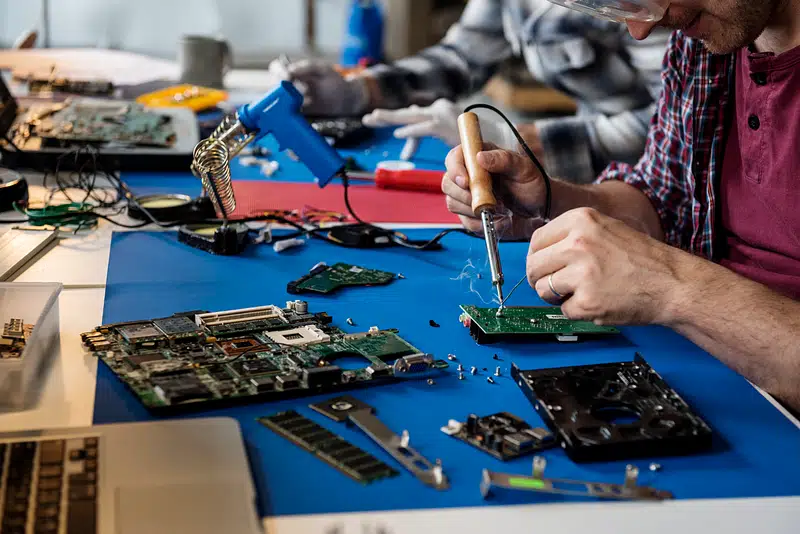
For technically inclined individuals, a do-it-yourself (DIY) approach to troubleshooting and repairing the Newair WCD-210BK cold button offers an accessible and potentially cost-effective solution. This methodology is typically justified for issues stemming from common failure points such as mechanical sticking, degraded electrical contacts within the microswitch, or simple wiring disconnects. The initial steps involve strict adherence to safety protocols, primarily disconnecting the unit from its power source to prevent electrical shock. Subsequent actions include carefully removing the dispenser’s back panel to gain internal access, followed by a thorough visual inspection for obvious signs of damage, loose connections, or obstructions impeding button movement.
Diagnostic efforts in a DIY context often involve using a multimeter to test for continuity across the microswitch contacts when the button is pressed, thereby identifying if the switch itself is failing to complete the circuit. Cleaning oxidized contacts with a specialized electronics cleaner can resolve intermittent connectivity issues. Verification of wiring integrity, ensuring all connections to the button and cold water solenoid are secure, is also crucial. The primary argument for this approach lies in its potential for immediate resolution and minimal financial outlay, as it typically only incurs the cost of minor replacement parts or cleaning agents. However, this method carries inherent risks, including the potential for misdiagnosis leading to further damage, personal safety hazards if electrical safety guidelines are not rigorously followed, and importantly, the likely invalidation of any remaining manufacturer’s warranty. Complex component-level repairs without access to precise schematics or specialized tools can be challenging and often yield suboptimal or temporary results.

Professional Service & Component Replacement
Engaging professional service for a faulty Newair WCD-210BK cold button represents an alternative solution characterized by specialized expertise and access to appropriate resources. This approach involves contacting either a manufacturer-authorized service center or a certified independent appliance repair technician. The process commences with a detailed diagnostic assessment utilizing specialized equipment to pinpoint the exact cause of the malfunction, which can range from a faulty microswitch to more intricate issues within the control board or cold water circuit. Upon diagnosis, the professional technician will proceed with the replacement of faulty components, ideally using genuine Original Equipment Manufacturer (OEM) parts to ensure compatibility and longevity.
The primary arguments supporting professional service are rooted in precision, reliability, and safety. Certified technicians possess the requisite training and experience to accurately diagnose complex electrical and mechanical faults, minimizing the risk of incorrect repairs or further damage. Their adherence to industry safety standards and access to high-quality, model-specific components contribute to a more robust and lasting repair. Furthermore, professional repairs often preserve existing warranties and typically come with their own service guarantee, providing peace of mind. Conversely, the drawbacks include a higher financial investment due to labor costs and the expense of genuine parts, as well as potential inconveniences such as scheduling delays and the downtime of the dispenser while awaiting service or part procurement. This method is strongly recommended for issues involving internal system failures, complex electrical faults, or for users who lack the technical confidence or tools to attempt a DIY repair safely and effectively.
Comparative Analysis of Methodologies
When assessing the most appropriate course of action for a malfunctioning Newair WCD-210BK cold button, a direct comparison of the DIY and professional service methodologies reveals distinct advantages and disadvantages across several critical factors. The decision hinges on a careful evaluation of these elements against the specific circumstances of the malfunction and the user’s capabilities.
Cost: The DIY approach typically incurs minimal costs, primarily for replacement parts or cleaning supplies, as labor is self-provided. Professional service, by contrast, includes charges for diagnostics, labor, and often a higher price for OEM parts, resulting in a substantially higher overall expenditure.
Complexity Handled: DIY is generally suited for simple, visible mechanical issues or straightforward electrical continuity tests. Professional technicians are equipped to handle complex electrical faults, intricate internal system diagnostics, and component-level repairs that require specialized tools and expertise.
Associated Risk: DIY repairs carry inherent risks such as potential damage to the appliance, personal electrical safety hazards, and almost certain voidance of the manufacturer’s warranty. Professional service minimizes these risks for the owner, as the service provider assumes responsibility for the repair’s quality and often provides a guarantee.
Time Commitment: A DIY repair can be initiated immediately, potentially offering a quicker fix for minor issues, but may involve significant time for research, part acquisition, and troubleshooting. Professional service requires scheduling appointments and may involve waiting for part procurement, leading to greater dispenser downtime.
Warranty Impact: Unauthorized DIY disassembly or repair almost invariably voids the appliance’s existing warranty. Professional, authorized service, particularly from manufacturer-certified technicians, typically preserves the warranty and often provides a new warranty specifically for the repair performed.
Required Skill Level: The DIY approach demands a basic understanding of electrical safety, mechanical aptitude, and fundamental troubleshooting skills. Professional service necessitates the expertise of a certified technician, backed by specialized training and diagnostic equipment.
Long-Term Reliability: The success rate and longevity of a DIY repair are highly variable, dependent on the accuracy of the self-diagnosis and the quality of the repair performed. Professional service, leveraging expert diagnosis and genuine parts, generally offers a higher degree of long-term reliability and performance.
| Criterion | DIY Repair Approach | Professional Service |
|---|---|---|
| Initial Cost | Low (parts, basic tools) | High (labor, diagnostics, parts) |
| Complexity Handled | Simple mechanical/electrical faults | Complex diagnostics, component-level repairs |
| Associated Risk | Potential for further damage, safety hazards, warranty invalidation | Minimal for owner, service guarantees apply |
| Time Commitment | Immediate action, research time, potential for re-work | Scheduling, service visit, potential part procurement delays |
| Warranty Impact | Typically voids existing warranty | Preserves existing warranty, new warranty on repair |
| Required Skill Level | Basic electrical safety, mechanical aptitude, troubleshooting | Certified technician expertise, specialized tools |
| Long-Term Reliability | Variable, dependent on diagnosis accuracy and repair quality | High, due to expert repair and OEM parts |
Attempting complex electrical repairs without proper training or safety equipment introduces significant hazards and often exacerbates the original issue, transforming a simple fix into a costly replacement. Understanding one’s own limitations is paramount in maintaining appliance integrity and personal safety.
The use of genuine OEM parts is a critical differentiator in repair longevity. While aftermarket components may offer immediate cost savings, their inconsistent quality can compromise the system’s overall performance and lead to premature failure, negating any initial economy.
Verdict & Recommendation
The definitive approach to repairing a Newair WCD-210BK cold water button depends critically on the nature of the malfunction, the owner’s technical proficiency, and the appliance’s warranty status. For superficial mechanical issues, such as a button that is physically stuck or experiencing minor obstruction, a careful DIY cleaning or adjustment can be a justifiable and cost-effective initial step for users possessing basic mechanical aptitude. This minimizes immediate costs and potential downtime, assuming strict adherence to safety protocols and an understanding of the potential warranty implications.
However, for any issue involving electrical malfunctions, intermittent failures, or requiring significant internal disassembly beyond basic access panels, the engagement of a qualified professional service technician is strongly recommended. The intrinsic risks associated with high voltage components, the necessity for accurate diagnostic tools, and the guarantee of a lasting, safe repair provided by experts consistently outweigh the immediate financial savings of a DIY attempt in these more complex scenarios. Furthermore, if the Newair WCD-210BK is still under its manufacturer’s warranty, opting for professional, authorized service is almost always the prudent choice to prevent warranty invalidation. Prioritizing safety, diagnostic accuracy, and long-term reliability, professional intervention offers the most robust and secure resolution for complex cold button issues in the Newair WCD-210BK water dispenser.
FAQ Section
Is repairing the cold button on a Newair WCD-210BK safe for beginners?
Simple mechanical issues like a physically stuck button can potentially be addressed by beginners with extreme caution, ensuring the unit is unplugged and no electrical components are disturbed. However, any interaction with internal electrical components, wiring, or the microswitch carries significant risk of electrical shock or further damage. Beginners should prioritize safety by always disconnecting power and should refrain from attempting electrical repairs without proper knowledge, tools, and safety equipment. Professional assistance is strongly advised for any electrical faults.
What parts are most likely to fail in the Newair WCD-210BK cold water dispensing mechanism?
The most common failure points within the Newair WCD-210BK cold water dispensing mechanism include the microswitch that activates upon button press, which can wear out or develop poor electrical contact. Mechanical components of the button itself, such as springs or pivots, may become jammed or broken. Less frequently, issues can stem from a loose wire connection within the button’s circuit or, in rare cases, a fault within the control board’s signal pathway to the cold water solenoid.
Does attempting a DIY repair void the Newair WCD-210BK warranty?
Yes, typically. Most manufacturers’ warranties, including Newair’s, include clauses that explicitly state the warranty is voided if the appliance is disassembled or repaired by unauthorized personnel. Any unauthorized modification or repair attempt can result in the forfeiture of your warranty rights, leaving you responsible for all future repair costs. Always consult your Newair WCD-210BK’s warranty documentation before attempting any DIY repairs.