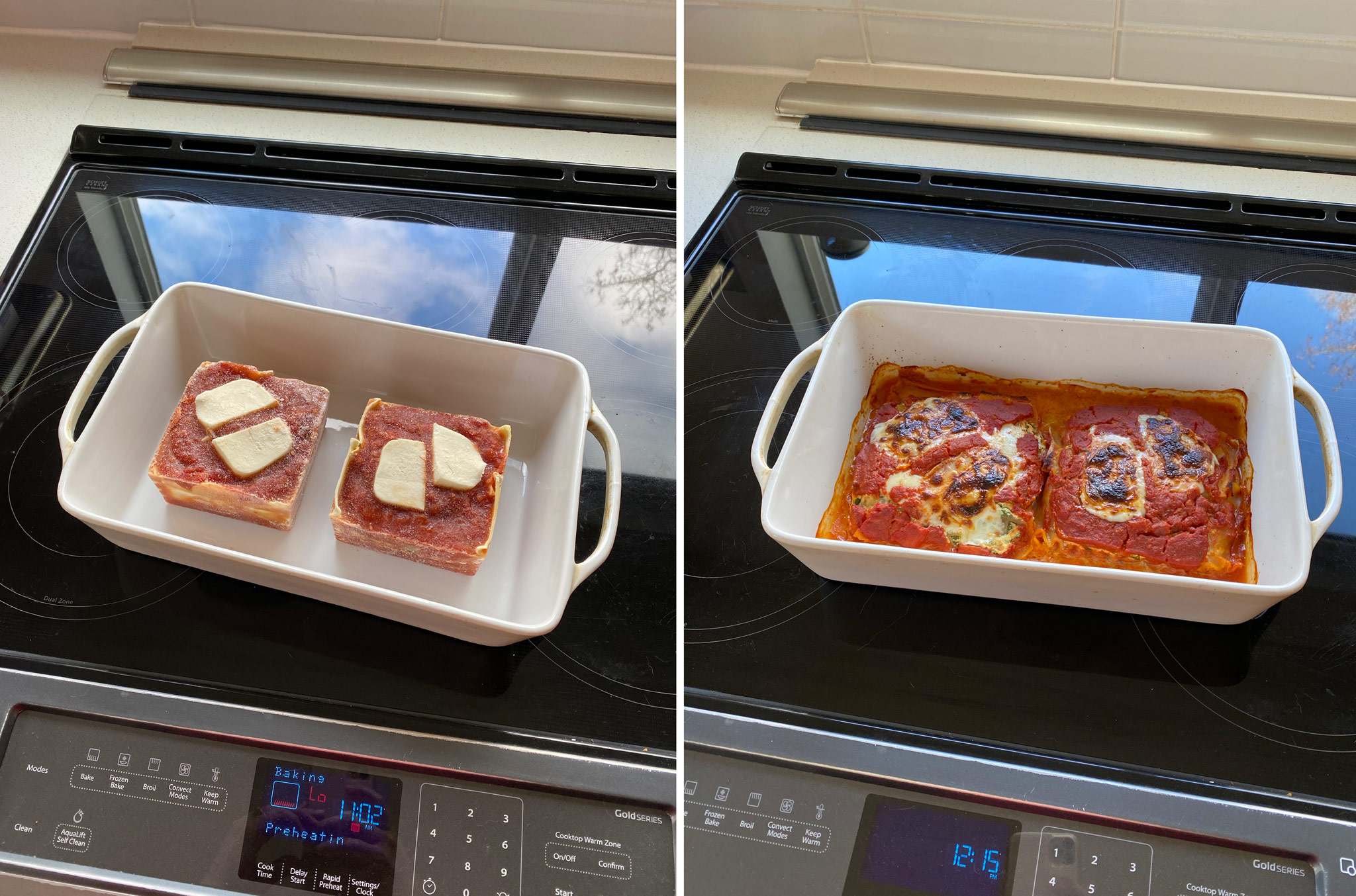
Strategic Reheating Alternatives: Maximizing ROI Without a Microwave
In strategic culinary operations, the choice of reheating appliances extends beyond mere convenience. Decision-makers must evaluate solutions through the lens of return on investment (ROI), operational efficiency, food quality, and customer satisfaction, particularly when seeking alternatives to microwave technology.
The Strategic Imperative: Reimagining Reheating for Quality and Efficiency
Opting out of microwave reheating is often a deliberate strategic move, driven by a desire for superior food quality, enhanced texture preservation, or specific health and aesthetic preferences. For small-scale home users, this might mean a personal preference for a crispier crust or a more evenly heated casserole. For large-scale businesses, such as catering companies, restaurants, or institutional kitchens, the implications are far more profound, touching on brand reputation, customer loyalty, and waste reduction.

Microwaves excel in speed and contained heating but often compromise on texture, leading to unevenly heated spots, soggy exteriors, or dried-out edges. A strategic shift to alternative appliances can directly impact product consistency, which translates into quantifiable business benefits: fewer customer complaints, higher perceived value, and potentially premium pricing for food items renowned for their freshness and texture even after reheating. Furthermore, understanding the energy consumption patterns and operational workflows associated with various reheating methods is crucial for optimizing overheads and ensuring scalable solutions across diverse operational footprints.
Core Non-Microwave Reheating Appliances and Their Business Impact
When assessing alternatives, a decision-making framework must consider the unique attributes, scalability, and cost-benefit profile of each appliance:
Conventional & Convection Ovens
Small Scale: Standard home ovens are versatile, capable of reheating entire dishes, maintaining crispiness (e.g., pizza, baked goods), and gentle heating for casseroles. The ROI is primarily in food quality and satisfaction. Energy usage is higher for small portions, a risk to consider for daily, single-serving reheating.
Large Scale: Commercial convection ovens offer superior air circulation, ensuring rapid and even reheating for high volumes of food, crucial for catering or buffet lines. The business impact is substantial: consistent quality across hundreds of servings, reduced labor for oversight compared to individual portion heating, and the ability to maintain food safety standards with precise temperature control. Initial investment is higher, but the ROI is realized through enhanced output, product consistency, and positive customer feedback.
Toaster Ovens & Air Fryers
Small Scale: These appliances bridge the gap between microwaves and full-sized ovens for individual or small-batch reheating. Toaster ovens are excellent for bagels, pastries, and small casseroles, providing a more even heat and crisp texture. Air fryers excel at restoring crispiness to fried foods, roasted vegetables, and even reheating pizza with a fresh-baked feel. Their ROI for home users is convenience and significantly improved food quality over microwaves for specific items, without the full energy footprint of a large oven. Risk involves smaller capacity and potential for drying out if not monitored.
Large Scale: While not typically for high-volume reheating, commercial-grade toaster ovens or air fryers can be strategically deployed in specific scenarios, such as snack bars, small cafes, or employee break rooms to offer on-demand, quality reheating for individual portions. This enhances the customer or employee experience, contributing to indirect ROI through satisfaction and convenience. Their energy efficiency for small tasks can be a benefit in specific operational niches.
Stovetop (Pans & Pots)
Small & Large Scale: The stovetop offers direct, controlled heat, making it ideal for reheating liquids (soups, sauces, gravies) and dishes that benefit from stirring (stir-fries, pasta dishes). For both home and professional kitchens, its versatility is unmatched. The ROI is in maintaining the integrity of liquid-based foods, preventing scorching, and achieving precise temperatures. Risk includes the need for constant attention to prevent burning or uneven heating, requiring skilled labor in commercial settings. However, the benefit of control over texture and temperature for delicate or saucy items often outweighs the labor cost.
Steaming Baskets & Double Boilers
Small & Large Scale: These methods offer gentle, moist heat, preserving the delicate texture and moisture content of foods like dumplings, rice, vegetables, and certain fish dishes. The ROI is significant for health-conscious menus or cuisines where moisture retention is paramount. For businesses, this translates to premium product quality and a distinct culinary advantage. The risk lies in slower reheating times and the potential for food to become overly moist if not monitored. However, the benefit of preventing drying and maintaining nutritional value can justify the operational trade-off for specific menu items.
Decision Frameworks: Assessing ROI and Risk in Reheating Strategies
Making an informed decision about non-microwave reheating requires a robust framework:
- Cost-Benefit Analysis: Beyond initial purchase price, evaluate ongoing operational costs (energy consumption, labor), maintenance, and the direct/indirect benefits (improved food quality, customer satisfaction, reduced waste, brand reputation). Calculate the payback period for new equipment.
- Volume and Velocity Requirements: Match appliance capacity and heating speed to anticipated demand. A small cafe has different needs than a large convention center. Over-investing in capacity or underestimating throughput can negatively impact ROI.
- Food Type Matrix: Categorize your most frequently reheated food items. Map them against the optimal reheating method to preserve their quality. A mixed-method approach often yields the best overall results. For example, a restaurant might use convection ovens for bulk entrees and air fryers for individual appetizers.
- Energy Efficiency and Sustainability: Consider the long-term environmental and cost implications. Energy-efficient appliances contribute to lower utility bills and support green initiatives, resonating with environmentally conscious consumers.
- Risk Mitigation: Evaluate potential downsides such as increased prep time, need for specialized training, risk of food safety issues (e.g., uneven heating leading to bacterial growth if not properly managed), or potential for food damage. Implement protocols for consistent reheating and monitoring.
Fact: A study by Technomic indicated that 68% of consumers rate food quality as the most important factor when dining out, even over price. Superior reheating methods directly contribute to perceived quality and customer loyalty.
Key Insight: Investing in reheating alternatives that preserve food quality is not merely an operational cost; it is a strategic investment in customer retention and brand value.
Implementing Alternatives: Scalability and Training for Sustained Impact
Successfully transitioning from microwave-centric reheating to alternative methods demands careful planning and execution. For small-scale users, this might involve learning new cooking techniques and optimizing kitchen workflow. For businesses, it requires a comprehensive implementation strategy:
- Phased Adoption: Instead of a complete overhaul, consider introducing new appliances and methods incrementally, starting with food items that benefit most from quality reheating.
- Staff Training and Development: Proper training is paramount. Employees must understand how to operate new equipment safely and effectively, recognizing the nuances of different food types and heating methods. This reduces errors, waste, and ensures consistent quality.
- Standard Operating Procedures (SOPs): Develop clear, concise SOPs for each reheating process, including temperatures, times, and monitoring requirements. This ensures consistency regardless of the operator.
- Feedback Loops and Continuous Improvement: Establish mechanisms for collecting feedback from staff and customers regarding food quality. Use this data to refine processes, adjust equipment usage, and explore further optimizations.
- Maintenance and Longevity: Factor in regular maintenance schedules for new equipment. Well-maintained appliances not only last longer but also operate more efficiently, protecting your initial ROI.
By approaching reheating not as a simple task but as a strategic component of your culinary operation, businesses and individuals can unlock significant benefits in food quality, operational efficiency, and overall value. The shift away from ubiquitous microwave use is a commitment to excellence, demanding a balanced perspective on investment, operational changes, and desired outcomes.
Stat: Commercial convection ovens can reduce reheating times by 25-30% compared to conventional ovens for certain dishes, significantly boosting kitchen throughput during peak hours without sacrificing food quality.
Key Insight: For high-volume operations, the speed and evenness of specific non-microwave appliances can directly translate into increased customer service capacity and improved efficiency, impacting the bottom line.
FAQ
Which non-microwave appliance is best for restoring crispiness to reheated foods?
For restoring crispiness to foods like fried chicken, French fries, spring rolls, or even pizza, an air fryer or a conventional/convection oven (especially on a ‘reheat’ or ‘bake’ setting) is generally the most effective. These appliances circulate hot air, replicating the drying and browning effects that microwaves cannot achieve, thus preventing sogginess and developing a desirable texture.
Can I effectively reheat delicate sauces and gravies without a microwave, and what’s the best method?
Yes, absolutely. Reheating delicate sauces and gravies on the stovetop in a saucepan over low to medium-low heat is often superior to a microwave. Stirring frequently prevents scorching and ensures even heating, maintaining the sauce’s emulsion and texture. A double boiler can also be used for extremely delicate sauces to provide very gentle, indirect heat, preventing separation or curdling.
What’s the typical ROI for a business investing in multiple non-microwave reheating methods?
The ROI for investing in multiple non-microwave reheating methods for a business can be substantial, though it’s often qualitative as well as quantitative. Quantitatively, ROI comes from reduced food waste due to better preservation of reheated items, lower energy consumption for specific tasks (e.g., air fryer for small portions vs. full oven), and increased efficiency for bulk reheating. Qualitatively, the ROI is seen in enhanced customer satisfaction, improved brand reputation for quality, and the ability to command higher prices for superior food products. This leads to increased repeat business and positive word-of-mouth, directly impacting long-term profitability and market positioning.