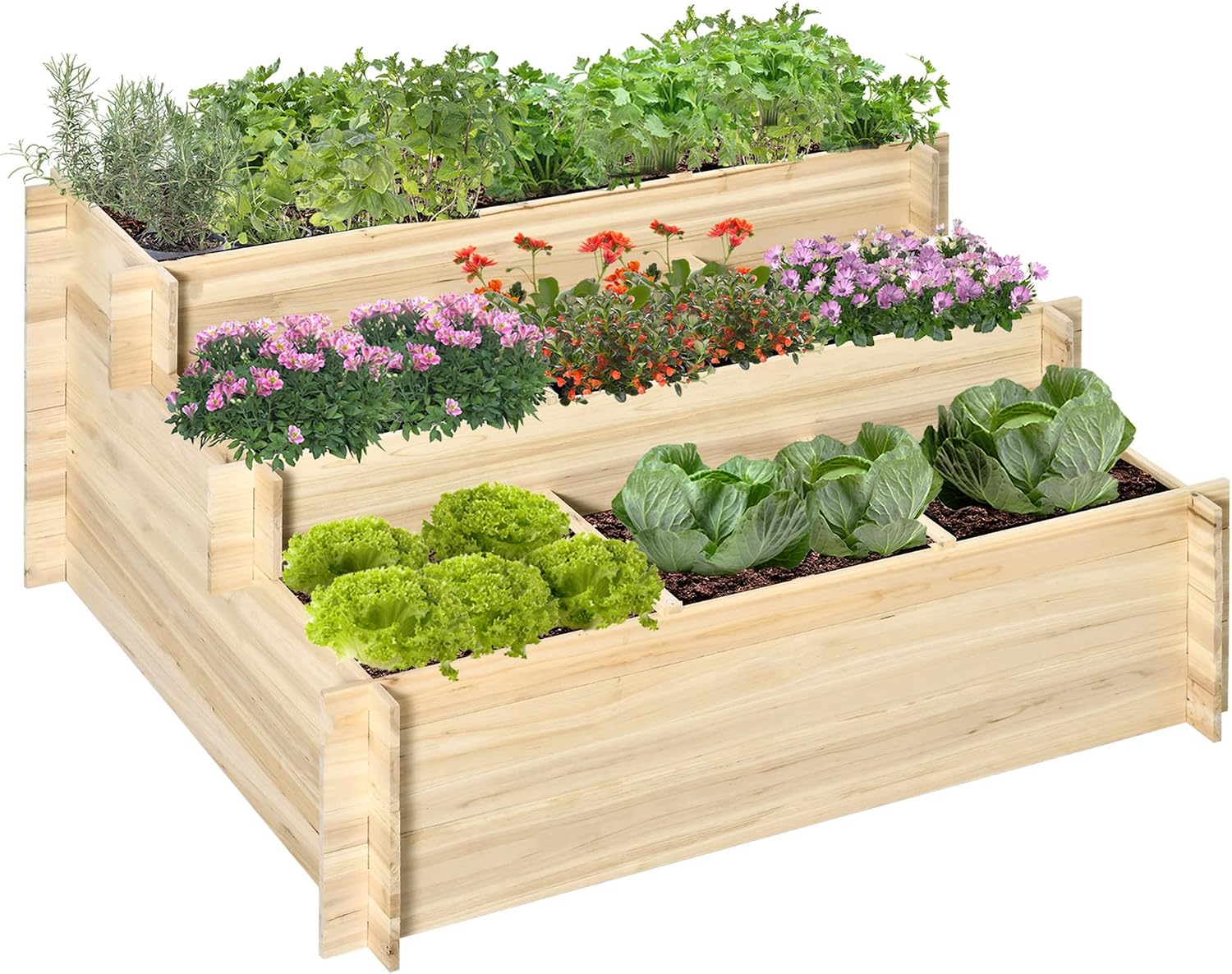
Optimizing Elevated Garden Performance: Selecting the Right Liner Material
Elevated vegetable container gardens offer significant advantages, from improved accessibility to better pest control. However, their long-term success hinges critically on the selection of an appropriate lining material. This decision directly impacts soil health, moisture retention, and the structural integrity of the garden bed itself, necessitating a discerning approach.
The Critical Role of Liner Selection in Elevated Garden Longevity
The strategic lining of an elevated garden bed is paramount for both horticultural success and structural preservation. Its primary function establishes a robust barrier between moist soil and the bed’s construction material, crucial for wooden structures where consistent soil-wood contact accelerates decay. An effective liner prevents moisture wicking and microbial degradation, extending the bed’s operational lifespan. Furthermore, proper lining manages soil moisture, preventing rapid desiccation while facilitating controlled drainage to mitigate waterlogging and promote healthy root development. A well-chosen liner also contains fine soil particles, preserving nutrient content. Ultimately, the liner directly influences the bed’s durability and crop health.
Comparative Analysis of Key Lining Materials
The market presents distinct options for elevated garden bed lining, each with inherent strengths and weaknesses. Understanding these trade-offs is essential for an informed decision.
EPDM Pond Liner stands out for exceptional durability and inertness. This synthetic rubber resists UV, temperature extremes, and root penetration, offering 20+ years of service without chemical leaching. Its impermeability requires precise manual drainage holes, but its longevity often yields superior long-term value.

Heavy-Duty Polyethylene Sheeting (e.g., 6 mil film) is a budget-friendly option. Impermeable, it also requires drainage holes. Its durability is moderate (3-7 years), susceptible to punctures and UV. Sourcing virgin, food-grade polyethylene is critical to avoid potential chemical leaching, especially with unknown or recycled plastics.
Landscaping Fabric provides excellent water and air permeability, ensuring good drainage. It’s affordable and easy to install. However, its primary limitation is a comparatively short lifespan (2-5 years) under constant moisture and soil pressure. It offers minimal structural protection for wood and can allow fine soil particles to migrate.
Hardware Cloth with Fabric Overlay combines a physical barrier against burrowing pests (hardware cloth) with a soil-retaining, permeable fabric layer. This two-stage approach offers excellent pest control and good drainage. Higher cost and more complex installation are notable, and the fabric layer’s durability remains a limiting factor.
Strategic Considerations for Material Suitability and Installation
Selecting the ideal lining material extends beyond basic product characteristics; it requires an assessment tailored to specific garden conditions and objectives.
Firstly, the construction material of the garden bed dictates liner priority. For wooden beds, an impermeable barrier like EPDM or thick polyethylene is highly recommended to prevent direct soil-wood contact, the primary accelerant of rot. Metal or composite beds, which do not suffer from decay, can prioritize soil containment and drainage, though an impermeable liner can still moderate soil temperatures.
Secondly, meticulous attention to drainage is non-negotiable. Waterlogged soil suffocates roots, leading to irreversible plant damage. For impermeable liners, precisely cut drainage holes (e.g., 1/2 to 1 inch diameter, every 6-12 inches) in the bottom and lower sides are essential. A layer of coarse gravel or old landscape fabric over these holes can prevent clogging.
Finally, **food safety and longevity** must guide the ultimate decision. For edible produce, sourcing certified food-safe materials is paramount to prevent harmful chemicals leaching into soil and crops. While cheaper options may appeal, their shorter lifespan and frequent replacement costs often negate initial savings. A prudent approach balances initial outlay with projected lifespan and paramount concern for crop health and safety.
| Lining Material | Durability | Drainage/Permeability | Cost (Initial) | Safety/Leaching | Key Advantages | Key Disadvantages |
|---|---|---|---|---|---|---|
| EPDM Pond Liner | Excellent (20+ years) | Impermeable (requires holes) | High | Inert, Food-Safe | Exceptional longevity, UV/root resistant, no leaching, structural protection. | Higher initial cost, installation can be challenging, manual drainage holes required. |
| Heavy-Duty Polyethylene Sheeting | Moderate (3-7 years) | Impermeable (requires holes) | Low | Varies (source food-grade) | Cost-effective, readily available, provides moisture barrier. | Shorter lifespan than EPDM, prone to punctures/UV degradation, risk of non-food-safe chemicals. |
| Landscaping Fabric | Low to Moderate (2-5 years) | Permeable | Low | Varies (check grade) | Excellent drainage, easy to install, cost-effective. | Shorter lifespan, can allow fine soil migration, less structural protection for wood, microplastic concerns. |
| Hardware Cloth + Fabric | Hardware: Excellent; Fabric: Low to Moderate | Permeable | Medium to High | Galvanized: Generally safe; Fabric: Varies | Excellent pest protection (gophers), good drainage, structural integrity for base. | More complex installation, higher cost, fabric layer still has limited lifespan. |
- Ensure Ample Drainage: Regardless of the liner chosen, adequate drainage holes (typically 1/2 to 1 inch in diameter, spaced every 6-12 inches) are crucial. For impermeable liners, these must be cut manually in the bottom and potentially the lower sides.
- Prioritize Food Safety: For vegetable gardens, always select liners certified as food-safe or inert. Avoid materials with unknown chemical compositions or recycled plastics unless their safety for edibles is explicitly guaranteed to prevent leaching into your produce.
- Protect the Liner: If using an impermeable liner, consider placing a thin layer of old carpet, cardboard, or even a second layer of landscaping fabric directly above the drainage holes before adding soil. This prevents soil from clogging holes and protects the liner from sharp rocks or roots.
- Extend Liner Life: For wooden beds, ensure the liner extends above the soil line and is secured to the interior of the bed walls. This prevents soil from directly contacting the wood edge and wicking moisture over the liner.
- Overlap and Seal: When lining larger beds requiring multiple pieces of material, ensure a generous overlap (at least 6-12 inches) and consider sealing impermeable liners with appropriate, non-toxic seam tape for continuous protection against moisture egress.
Verdict and Recommendation
Based on a comprehensive analysis of material properties, performance characteristics, and long-term implications, the definitive recommendation for lining elevated vegetable container gardens prioritizes both durability and chemical inertness.
For the vast majority of serious gardeners and professional installations, EPDM Pond Liner emerges as the superior choice. Its unparalleled longevity (20+ years), exceptional resistance to UV, roots, and temperature extremes, coupled with proven chemical inertness, translates into the lowest long-term cost and highest assurance of food safety. Its robust barrier shields wooden structures from decay, extending service life significantly. Manual drainage hole cutting is a minor detail compared to its substantial benefits.
For scenarios where subterranean pest control (e.g., gophers) is a primary concern, a base layer of galvanized hardware cloth with a robust EPDM or food-grade polyethylene overlay is recommended. This combines pest exclusion with a superior soil and moisture barrier.
While landscaping fabric and standard polyethylene sheeting offer lower upfront costs, their significantly reduced lifespans, potential for soil loss (fabric), and varying levels of chemical safety render them less ideal for permanent installations intended for food production. They necessitate more frequent replacement, leading to increased labor and material waste, and introduce uncertainty regarding purity.
Therefore, for gardeners seeking a reliable, long-lasting, and safe foundation for their elevated vegetable gardens, the strategic investment in a high-quality EPDM pond liner is not merely a preference but a sound horticultural and structural imperative, ensuring years of productive and worry-free cultivation.